What’s Actually in Your Water?
Safe does not always mean clean. While EPA standards allow trace levels of contaminants, more often than not, harmful contaminants may still be in your water, affecting your water quality.
Why You Need to Filter Your Water
Clean water is essential for your family’s health and your home’s long-term protection. While municipal water treatment plays a vital role, it is not designed to remove every contaminant. Scientific research shows that even “safe” water can contain physical, chemical, and biological impurities that affect taste, health, and the performance of your plumbing. Here’s what you need to know.
What’s Actually in Your Water?
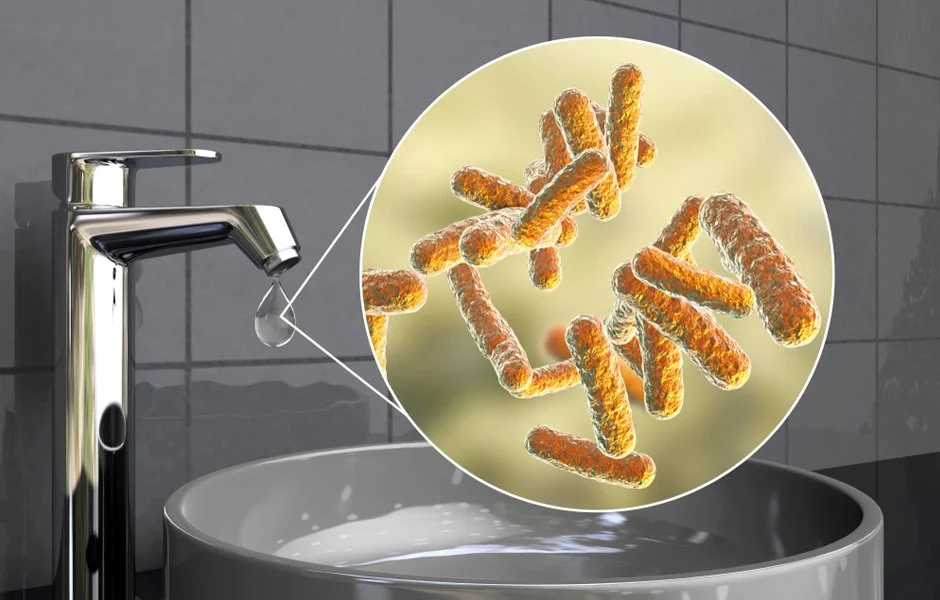
Even treated municipal water can contain a wide range of contaminants. Water must meet minimum EPA safety standards—but these standards allow trace levels of impurities that can still impact your health, appliances, and fixtures.
Common Contaminants in Municipal Water:
• Physical Contaminants:
Sediment, dirt, rust, silt, and organic particles that enter the water from soil, pipes, or tank corrosion.
• Chemical Contaminants:
Chlorine, chloramines, PFAS (“forever chemicals”), pesticides, pharmaceuticals, volatile organic compounds (VOCs), and heavy metals.
• Biological Contaminants:
Bacteria, viruses, and microbial cysts such as Giardia, Cryptosporidium, Toxoplasma, and Entamoeba.
How Municipal Water Treatment Works — and Where It Falls Short
Cities use a multi-step treatment process: coagulation, sediment removal, filtration, and disinfection. These steps help protect public health, but they have limits.
FAQs
-
Aging infrastructure introduces rust, sediment, and metals into water after it leaves the treatment plant.
Chlorine disinfects water but causes taste and odor issues and may create chemical byproducts.
Many cities now use chloramines, which are harder to remove and more corrosive to plumbing.
Biofilms inside pipes can harbor microbes and cysts resistant to chlorine.
Treatment plants are not designed to remove PFAS, pharmaceuticals, VOCs, and many modern contaminants.
Scientific studies show that up to 20% of water quality degradation happens after treatment, while the water moves through pipes to your home.
-
Hard water is water with high levels of dissolved calcium and magnesium. When heated or exposed to air, these minerals crystallize and create scale.
Effects of Hard Water:
Scale buildup inside pipes and water heaters
Reduced efficiency in dishwashers and washing machines
Shortened appliance lifespan
White film on faucets, shower doors, and glassware
Increased energy usage (up to 29% more for scaled appliances)
Corrosion of plumbing systems and fixtures
Hard water is extremely common—affecting 85% of U.S. households, including almost all of Arizona.
-
Chlorine and chloramines are used by cities to kill bacteria. While effective for disinfection, they have drawbacks:
Why They Matter:
Produce an unpleasant taste and smell
Cause dry skin and hair irritation
Degrade rubber seals and plumbing components
Form chemical byproducts (DBPs) that researchers increasingly monitor
Chloramines, used in many Arizona cities, are harder to remove and more persistent
-
Cysts like Cryptosporidium and Giardia are resistant to chlorine. These organisms can survive municipal treatment and reach your tap.
Important Scientific Notes:
Only sub-micron filtration (0.2 micron or smaller) removes cysts.
NSF P-231 certification indicates microbial removal at the highest standard.
Cysts can cause gastrointestinal illness and are especially concerning for children and seniors.
-
A whole-house water filter addresses the contaminants and issues that municipal systems cannot eliminate.
Home Filtration Can:
Remove chlorine and chloramines
Reduce harmful microbes, cysts, and viruses
Capture sediment, rust, and particulate matter
Improve taste and smell
Prevent scale and corrosion
Protect plumbing systems, appliances, and fixtures
Reduce chemical exposure in cooking, bathing, and drinking water
Remember: you don’t just drink water—you bathe in it, cook with it, and wash your clothes in it.
-
Arizona water poses additional problems due to geography, climate, and aging infrastructure.
Why Arizonans Need Better Filtration:
Some of the hardest water in the nation
High levels of dissolved solids (TDS)
Long-distance water transport increases mineral concentration
Dust and sediment from desert climate
Widespread use of chloramines
Old water mains and pipes introduce particulates
Filtering water in Arizona is not optional—it’s essential.
-
A quality system should meet rigorous standards and remove real-world contaminants.
Key Features to Look For:
NSF 42 – Chlorine, taste, odor reduction
NSF 53 – Health contaminants
NSF P-231 – Microbiological purification
Sub-micron filtration for cysts and bacteria
High flow rate & high capacity for whole-home use
Scale control to protect plumbing
Zero water waste and no electricity for efficiency
100% recyclable components (Honest Water Filter exclusive)